Antiphospholipid syndrome
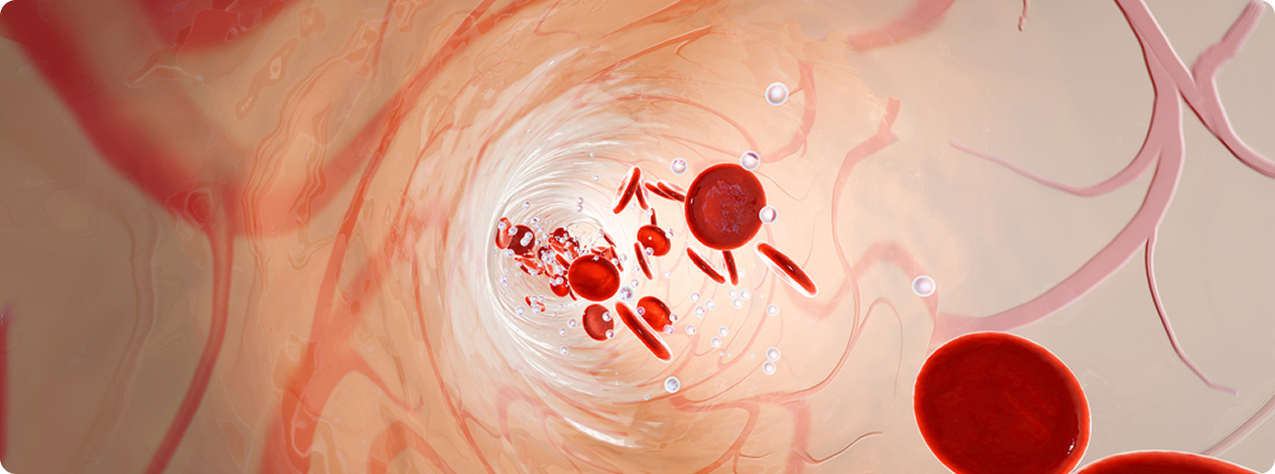
During antiphospholide syndrome, the immune system "mistakenly" fights against the body's normal proteins Antiphospholipid syndrome causes blood clots to form in the arteries and veins It can also cause complications during pregnancy, such as miscarriage and stillbirth
Antiphospholipid syndrome may cause clots to form in the deep veins of the legs (deep vein thrombosis). Thrombosis can also develop in organs such as the kidney or lung The prognosis of the lesion depends on the location and severity For example, a blood clot in the brain can lead to a stroke
Antiphospholipid syndrome is not cured, but medications can reduce the risk of complications.
- Function of phospholipids
- In antiphospholipid syndrome, the body "mistakenly" produces antibodies against proteins bound to phospholipids. Phospholipids are fatty molecules involved in blood clotting (coagulation). Antibodies are special proteins that normally fight foreign organisms (viruses, bacteria) When antibodies are formed against proteins bound to phospholipids, blood clotting is impaired.
Classification There are two main classifications of antiphospholipid syndrome:
- Primary If we have no other underlying cause (autoimmune disease) then the syndrome is primary
- Secondary Antiphospholipid syndrome may be secondary if the patient has systemic lupus or other autoimmune disease, infection, or medication history. In this case, the causes of the syndrome are the diseases or factors listed above
- Certain factors are associated with the development of the syndrome, but this does not mean that you will develop antiphospholipid syndrome if you have these factors. These are:
- Infections Certain infections such as syphilis, HIV/AIDS, hepatitis, Lyme disease, etc increase the risk of developing the syndrome
- Medications The hypertension drug hydralazine, the antiarrhythmic drug quinidine, the antiepileptic drug phenytoin, and the antibiotic amoxicillin have been associated with an increased risk of developing antiphospholipid antibodies.
- Genetic predisposition The syndrome is not considered to be hereditary, although studies show that relatives of patients have an increased risk of developing the syndrome
The signs and symptoms of antiphospholipid syndrome are:
- Deep vein thrombosis of the legs, which can develop into pulmonary embolism
- Repeated fetal loss or stillbirth, as well as other pregnancy complications (premature birth, increased blood pressure - preeclampsia)
Some patients have a red rash with a network-like spread - Cardiovascular disease Heart valves may be damaged due to the syndrome
- Bleeding In some patients, the platelet count is low, and as a result, the bleeding does not stop normally If you have low platelets (thrombocytopenia), you may not have any symptoms However, if the platelet count drops significantly, bleeding from the gums, nose or under the skin in the form of petechiae will begin.
- Rare signs include:
- Movement disorders where the body makes involuntary movements (chorea)
- Cognitive problems, memory loss
- Sudden hearing loss
When to refer
Other reasons to see a doctor are:
- Pain or numbness in the leg or hand Consult a doctor if part of the leg or hand is red, swollen and painful Seek emergency medical help if the vein swelling is severe and accompanied by chest pain, shortness of breath (signs of pulmonary embolism)
- Vaginal bleeding during pregnancy This could be a sign of miscarriage Despite this, some patients report bleeding, although the pregnancy proceeds normally If you have unexplained recurrent abdominal cramps or frequent pregnancy complications, you may have antiphospholipid syndrome. Talk to your doctor about tests
- If you have antiphospholipid syndrome and you are planning to have a baby, there is a suitable treatment for you Talk to a professional obstetrician-gynecologist about possible treatments and complications
When to seek emergency medical care
Seek emergency care if you have these signs and symptoms:
- Signs and symptoms of a stroke, such as sudden numbness, weakness, or paralysis in the face, arm, or leg;
- Signs and symptoms of pulmonary embolism, such as shortness of breath, chest pain, or bloody sputum
- Signs and symptoms of deep vein thrombosis, such as leg cramps and pain
- Other signs of bleeding: unexplained bleeding from the nose, gums;