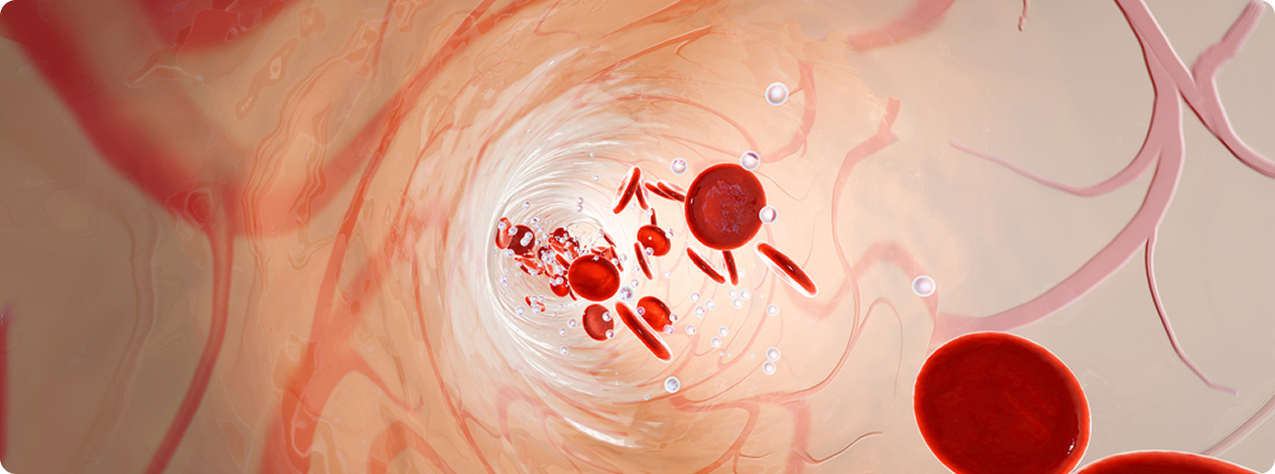
Arteriovenous fistula
Arteriovenous fistula is a pathological connection between an artery and a vein Normally, blood flows from the arteries into the capillaries and then into the veins Substances and oxygen are transferred from capillaries to organs and tissues
In the presence of an arteriovenous fistula, blood flows directly from the artery to the vein, that is, it bypasses some capillaries. Tissues dependent on "missing" capillaries receive less blood
Arteriovenous fistulas are mainly found in the lower extremities, but can occur anywhere A fistula is made artificially when a patient is on dialysis due to kidney disease
A large fistula is associated with severe complications without treatment If you have an artificial fistula due to dialysis, your doctor will pay attention to possible complications
Causes of arteriovenous fistula are:
- Cardiac catheterization A fistula can be a complication of this procedure During a cardiac catheterization, a long, thin tube (catheter) is inserted into an artery or vein in the groin, neck, or arm and threaded through the blood vessels to the heart.
- If the catheter crosses an artery and vein during the procedure and the artery dilates, an arteriovenous fistula may form. This rarely happens
- Lesions that cross the skin An arteriovenous fistula can form during trauma, such as a gunshot wound or stab wound. A fistula develops if an artery and a vein are found side by side at the site of injury
- Congenital arteriovenous fistula Some people carry a fistula from birth The exact cause is unknown, but at such a time in the womb, in the process of forming the fetus, the normal development of arteries and veins is disturbed.
- Genetic diseases Arteriovenous fistula in the lung is sometimes caused by a genetic disease (Osler-Weber-Rendu disease, hereditary hemorrhagic telangiectasia) that interferes with the normal development of blood vessels, especially in the lung
- Surgical intervention to create an artificial fistula In kidney failure, a fistula needs to be created to perform the dialysis procedure If the needle is inserted into a vein many times during dialysis, the vein may become scarred
- Creating a fistula widens the vein by connecting it to a nearby artery, making it easier to perform dialysis. Fistula is mostly done in the forearm area
Small fistulas in the extremities, lungs, kidney, or brain are generally asymptomatic and require no treatment other than monitoring. Large fistulas are more often symptomatic
These symptoms are:
- Purple, enlarged veins that appear under the skin (like varicose veins)
- Tingling in the hands or feet
- Low blood pressure
- Fatigue
- Heart failure
When to See Your Doctor If you have any of the symptoms and think your condition may resemble an arteriovenous fistula, see your doctor Early diagnosis makes treatment easier and lowers your risk of complications such as blood clots and heart failure in severe cases