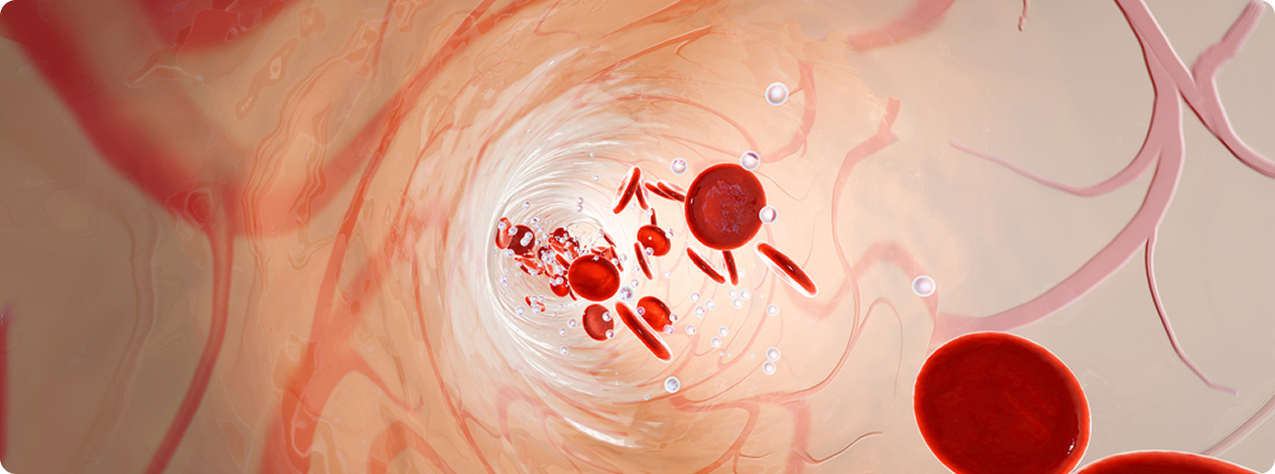
intestinal ischemia
Intestinal ischemia develops due to the reduction of blood supply as a result of narrowing or suffocation of the blood vessels of the intestines. Bowel ischemia can occur in the small intestine, the large intestine, or both Reduced blood flow can cause pain and permanently damage the intestine
Sudden interruption of blood circulation (acute ischemia of the intestines) requires urgent medical assistance Ischemia that develops over years (chronic) requires treatment because it can worsen or cause weight loss and malnutrition
Intestinal ischemia develops when blood flow to the intestines is reduced or stopped Due to the reduced blood supply, the cells in the intestines are deprived of oxygen, which causes them to weaken, die and damage the intestine.
Ischemia of the intestines is divided into categories:
Ischemia of the large intestine (ischemic colitis)
Ischemia of the large intestine develops when blood flow to the large intestine is reduced This is the most common type of intestinal ischemia Colon ischemia most often develops in people over the age of 60, although it can occur at any age
The exact cause of decreased blood supply is often unknown Many factors increase the risk of developing ischemia in the colon:
- Building up of fatty plaques in the bowel wall (atherosclerosis)
- Low blood pressure associated with heart failure, surgery, trauma, or shock
- Thrombosis in the colon
- Certain medications, especially vasoconstrictors, such as heart and migraine medications, and hormone medications, such as estrogen
- Cocaine or methamphetamine use
Acute mesenteric ischemia
Acute mesenteric ischemia It can develop suddenly and is associated with the following conditions:
- A blood clot that blocks the feeding artery of the small intestine Thrombus is the most common cause of acute mesenteric ischemia and can be caused by heart failure, arrhythmia, and heart attack.
- Visible or complete blockage of the intestinal artery due to accumulation of fatty plaques in the vessel wall (atherosclerosis) An occluded artery often causes chronic mesenteric ischemia, which then worsens
- Low blood pressure due to shock, heart failure, certain medications, or chronic kidney failure Low blood pressure can reduce blood flow to the small intestine For this reason, ischemia develops more often in people with other serious diseases or atherosclerosis This type of acute mesenteric ischemia is called non-occlusive ischemia
Chronic mesenteric ischemia Chronic mesenteric ischemia is also called intestinal angina It is caused by the accumulation of fatty plaques in the walls of the arteries (atherosclerosis). Chronic mesenteric ischemia can progress to acute mesenteric ischemia, especially if a thrombus forms in the affected artery.
Mesenteric venous thrombosis This type of intestinal ischemia occurs when a clot forms in a vein that drains blood from the intestines. Due to the blockage of the vein, blood flows into the intestines, which causes swelling and bleeding of the intestine The causes of mesenteric venous thrombosis are:
- Acute or chronic inflammation of the pancreas (pancreatitis)
- Abdominal infection
- Tumors of the digestive system
- Intestinal diseases, such as ulcerative colitis, Crohn's disease and diverticulitis
Symptoms of intestinal ischemia can develop suddenly (acute) or over time (chronic).
Symptoms of acute intestinal ischemia
- Sudden mild or severe abdominal pain
- Sudden urge to have a bowel movement
- Frequent, straining bowel movements
- Abdominal cramping or tenderness If this happens, you may have intermittent sharp pain for weeks or months after eating
When to see a doctor
Seek immediate medical attention if you have sudden, severe abdominal pain Abdominal pain that is so painful that you cannot sit in one place requires urgent care
If you have other signs and symptoms, consult your doctor