Jaundice of newborns
Neonatal jaundice is a yellowing of the skin and eyes of newborns Neonatal jaundice develops due to an excess of bilirubin, the yellow pigment of red blood cells, in the blood of newborns.
Neonatal jaundice is a common condition, especially in babies born before 38 weeks and in some breastfed babies. Jaundice in newborns occurs because the liver is not developed enough to digest the bilirubin in the blood. In some cases, jaundice can be caused by another disease
Jaundice in newborns often does not need treatment, and if treatment is needed, non-invasive therapy is usually sufficient. Complications are rare, although very high bilirubin levels or incompletely treated jaundice can cause brain damage.
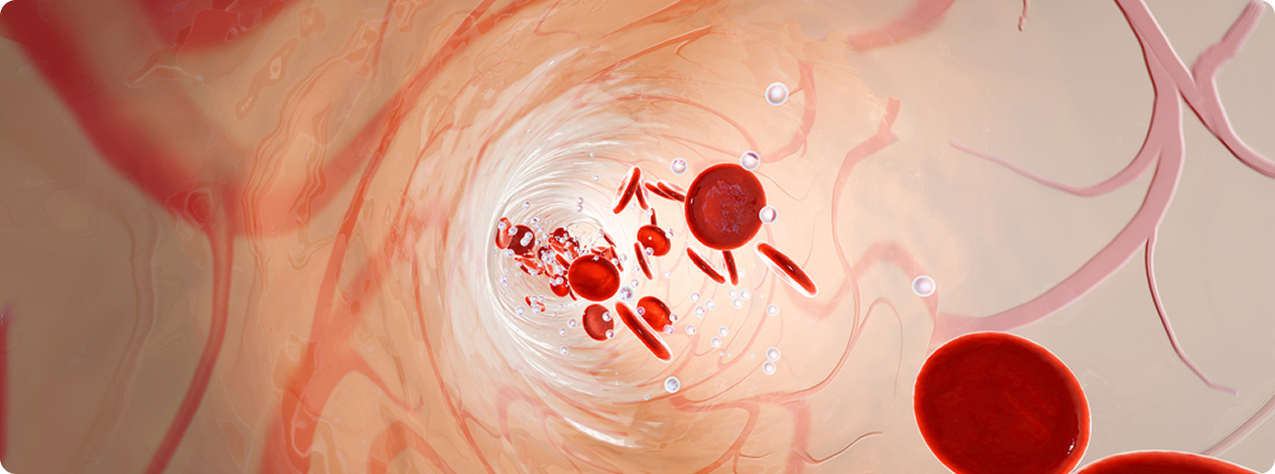
Excess bilirubin is the main cause of jaundice Bilirubin, which causes the yellow color of jaundice, is normally released when old red blood cells break down.
Normally, the liver takes bilirubin from the blood and transports it to the intestines Newborns' livers are often unable to transport bilirubin quickly enough, resulting in excess bilirubin. This type of jaundice is called physiological jaundice of newborns and it develops on the second or third day of life
Other causes Jaundice can develop due to other things. In this case, jaundice appears much later than physiological jaundice Conditions and diseases that can cause jaundice:
- Internal bleeding (hemorrhage)
- Infection of the baby's blood (sepsis)
- Other viral or bacterial infection
- Incompatibility between mother and child's blood
- Liver pathology
Yellowing of the skin and the white part of the eyes is the main symptom of neonatal jaundice, which appears on the second to fourth day of life.
To test your baby for neonatal jaundice, press your finger on his forehead. If the skin at the site of the bite is yellow, then your baby has mild jaundice In the absence of jaundice, the skin should lighten momentarily
Do this check in good lighting, preferably daylight
When to consult a doctor Many hospitals test the baby for neonatal jaundice before discharge The American Academy of Pediatrics recommends checking for jaundice at all doctor visits and at least every 8-12 hours during hospital stays.
Your child should be checked for jaundice between days three and seven, as this is when bilirubin levels are at their highest. If your child is discharged sooner than 72 hours, schedule a doctor's appointment 2 days later
The following signs and symptoms may indicate acute jaundice or complications caused by bilirubin Call the doctor if:
- Your child's skin becomes more yellow
- Your child's skin appears yellow on the belly, arms and legs
- The whites of the baby's eyes are yellow
- Your baby is sick or difficult to wake
- Your baby is not gaining weight or is not feeding well
- Your baby is crying in a high-pitched tone
- Your baby has other signs and symptoms
- Jaundice lasts for more than three weeks